

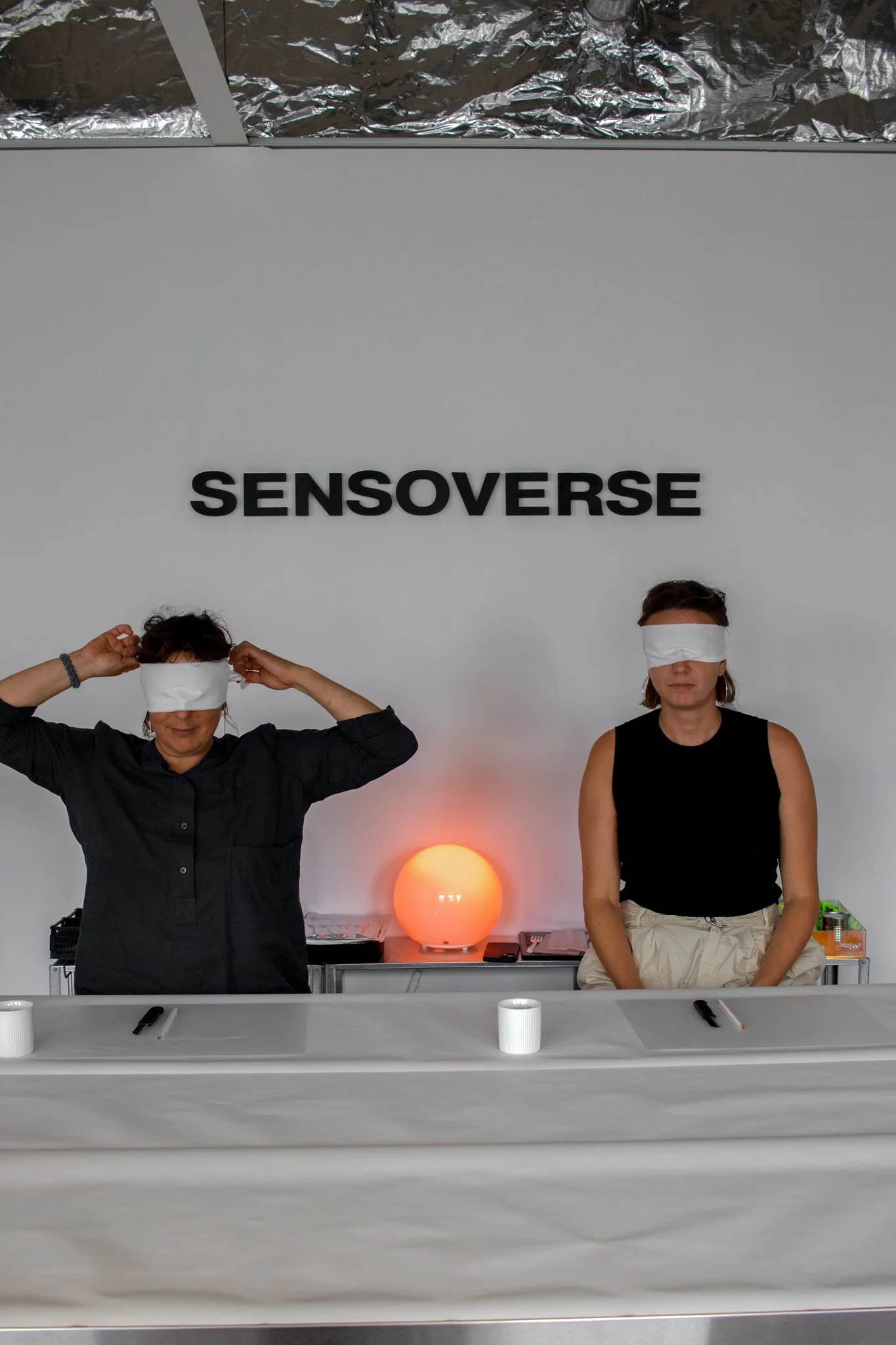
The most unexpected innovation workshop your team will ever do.
It starts with a leek.
SPECULATIVE INNOVATION WORKSHOP FOR TEAMS
Leek. speculation. innovation.
Leek. speculation. innovation.
Four intense hours. One very unexpected process.
For four hours, your team steps out of the familiar and into an experimental process built to change how it sees, thinks and creates.
You will take a leek apart. Question what you think you know. Build something strange. And somewhere along the way, something completely unexpected will take shape.
Nobody knows what it will look like yet. Not you. Not us. That's the point.
Four hours. Up to 14 people. Original concepts nobody saw coming.
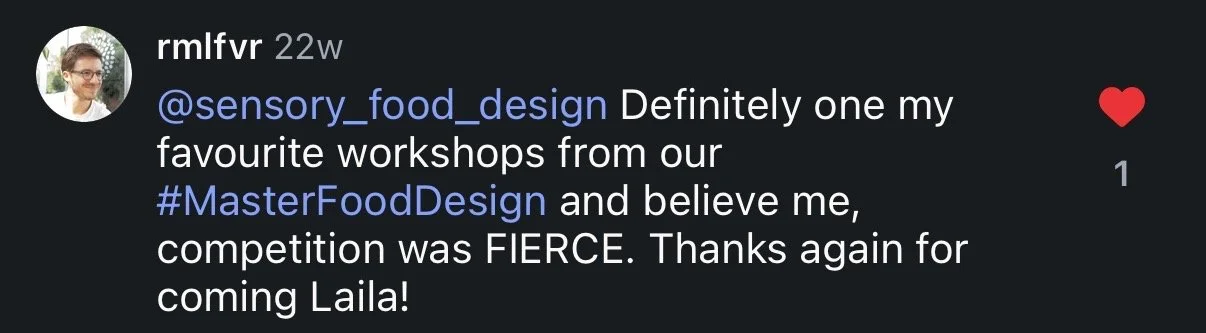
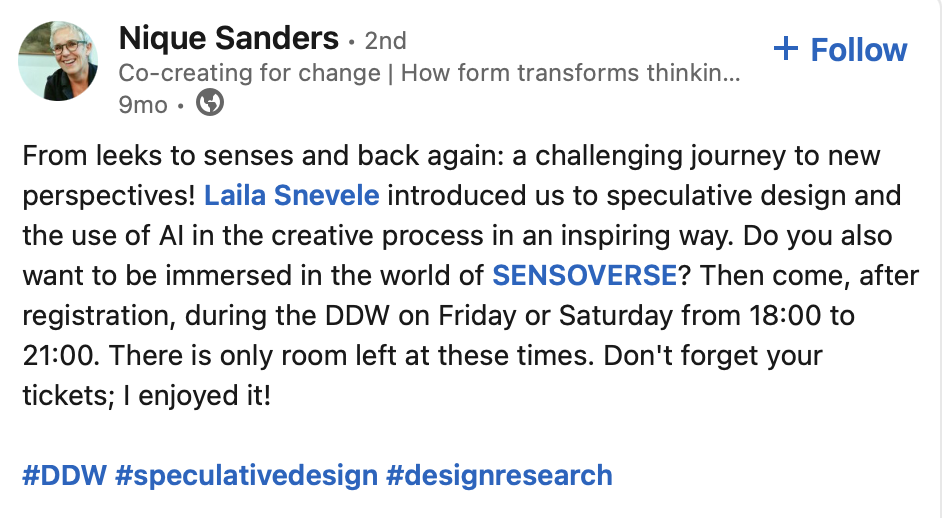
Taught every year at the Basque Culinary Center · Dutch Design Week ·
by TEDx speaker · Core77 award Runner-Up in Speculative Design
Let go of "possible". Think further.
We learn methods at school, inherit processes from our industries, and repeat what worked before. So most innovation work asks: what is the next best thing we can realistically do? That question makes our brains work in small steps.
Speculation asks a different question: what if? Once we stop worrying about whether an idea is possible or realistic, the brain starts to think more freely. Then we bring the wildest ideas back to what could be done today. Most of the time, that is easier than anyone expects.
And yes.
A leek.
Not because we're designing food. Because you probably wouldn't choose a leek, and that's exactly why we do.
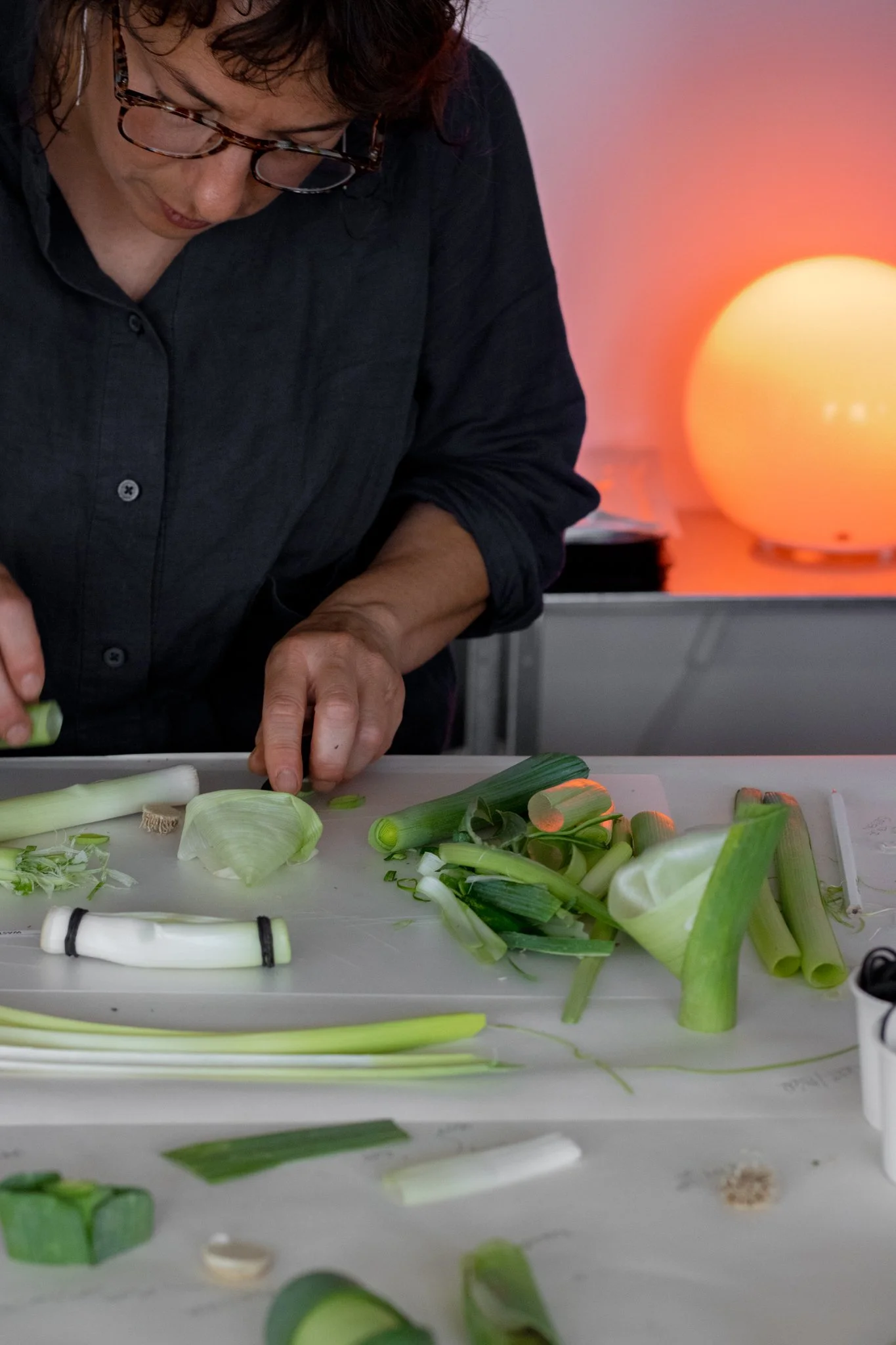
When you're forced to work with something unexpected, your usual answers stop working. You look closer. You question what you think you know. You find properties you would normally ignore, and you make connections you would normally never make.
What happens next, we won't spoil.
Follow the leek.
Innovation isn't a straight line. We don't start with a goal and march toward it. We start with a leek, follow it, and see where it takes us. We open ourselves to play, to wonder, to unlimited possibilities. And somewhere down the rabbit hole is an idea no logic could have reached. That's the beautiful part.
How the four hours work
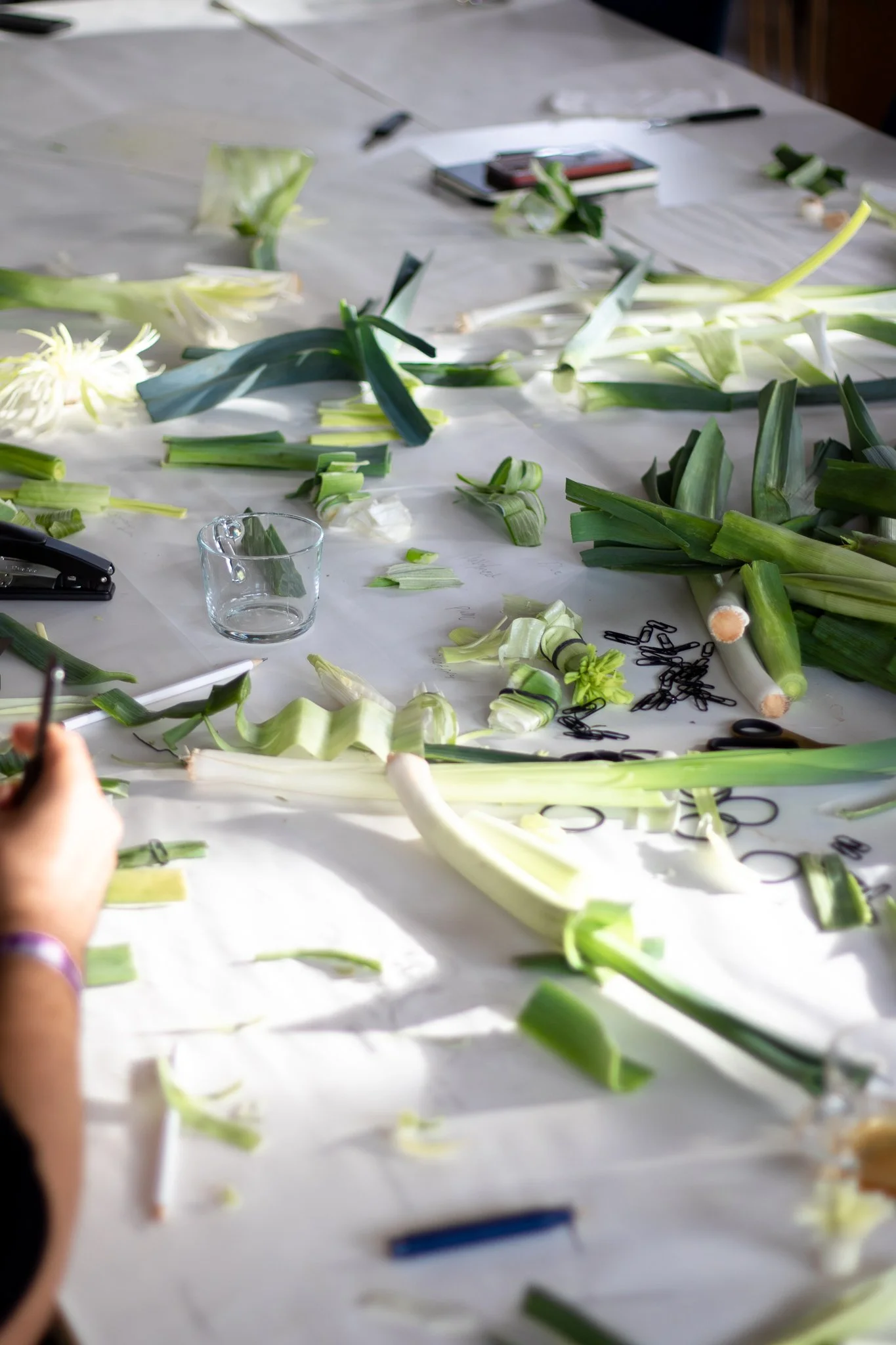
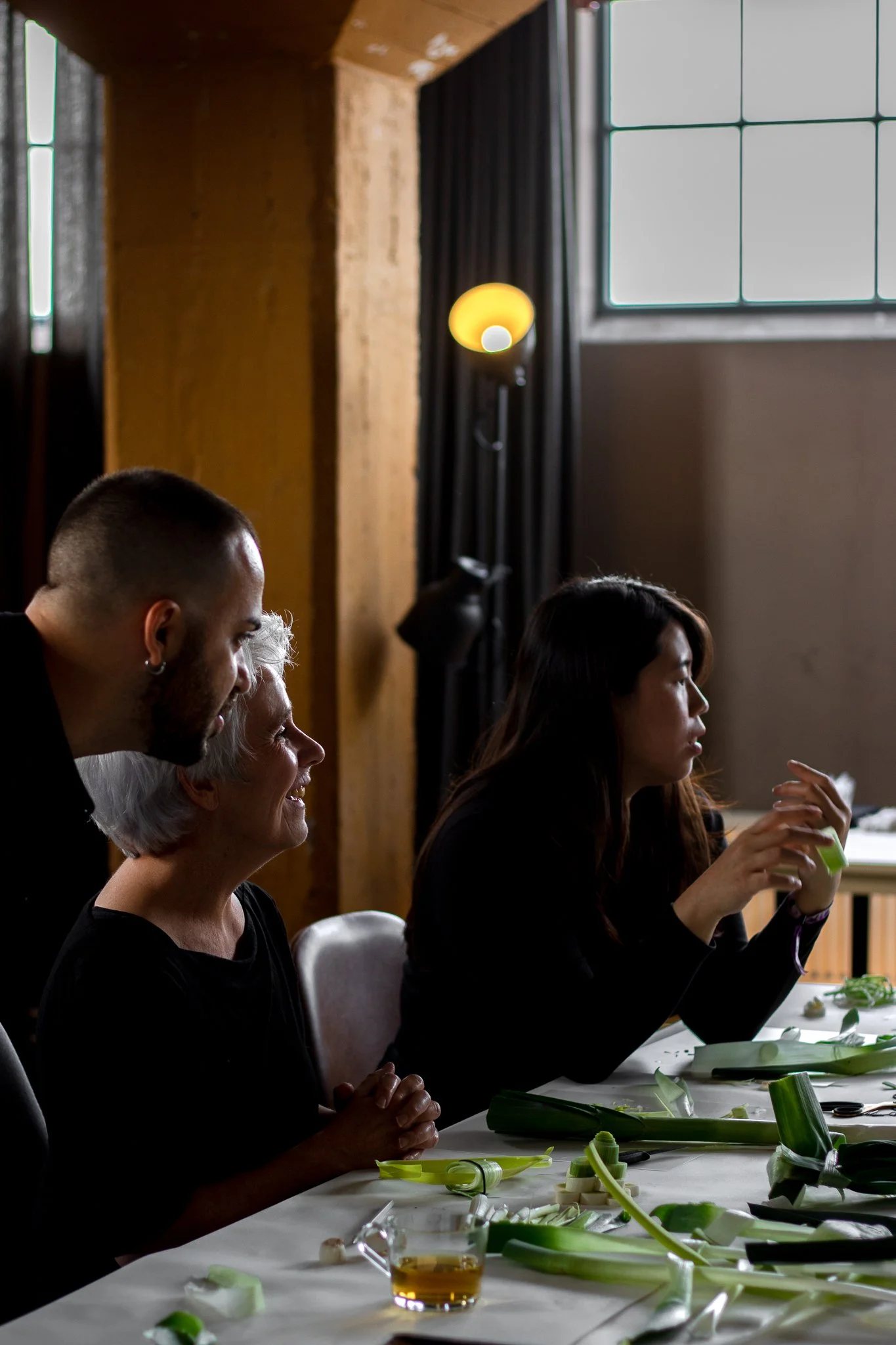
No lectures. No sitting around talking about innovation. Your team looks, questions, makes and prototypes.
1. Discovery. We cut, break, bite and reshape the leek to discover its properties.
2. Change the scale. We apply those properties to a theme: your own challenge, or one we bring.
3. Build the impossible. In pairs, your team develops future concepts.
What your team takes home
Original future concepts: one per pair, so up to seven new ideas for your company from a team of 14.
A physical first prototype of your own speculative idea.
A new way of seeing: the ability to look at an ordinary object, or an ordinary problem, and see what it could be.
A shared experience your team will talk about long after the leek is gone.
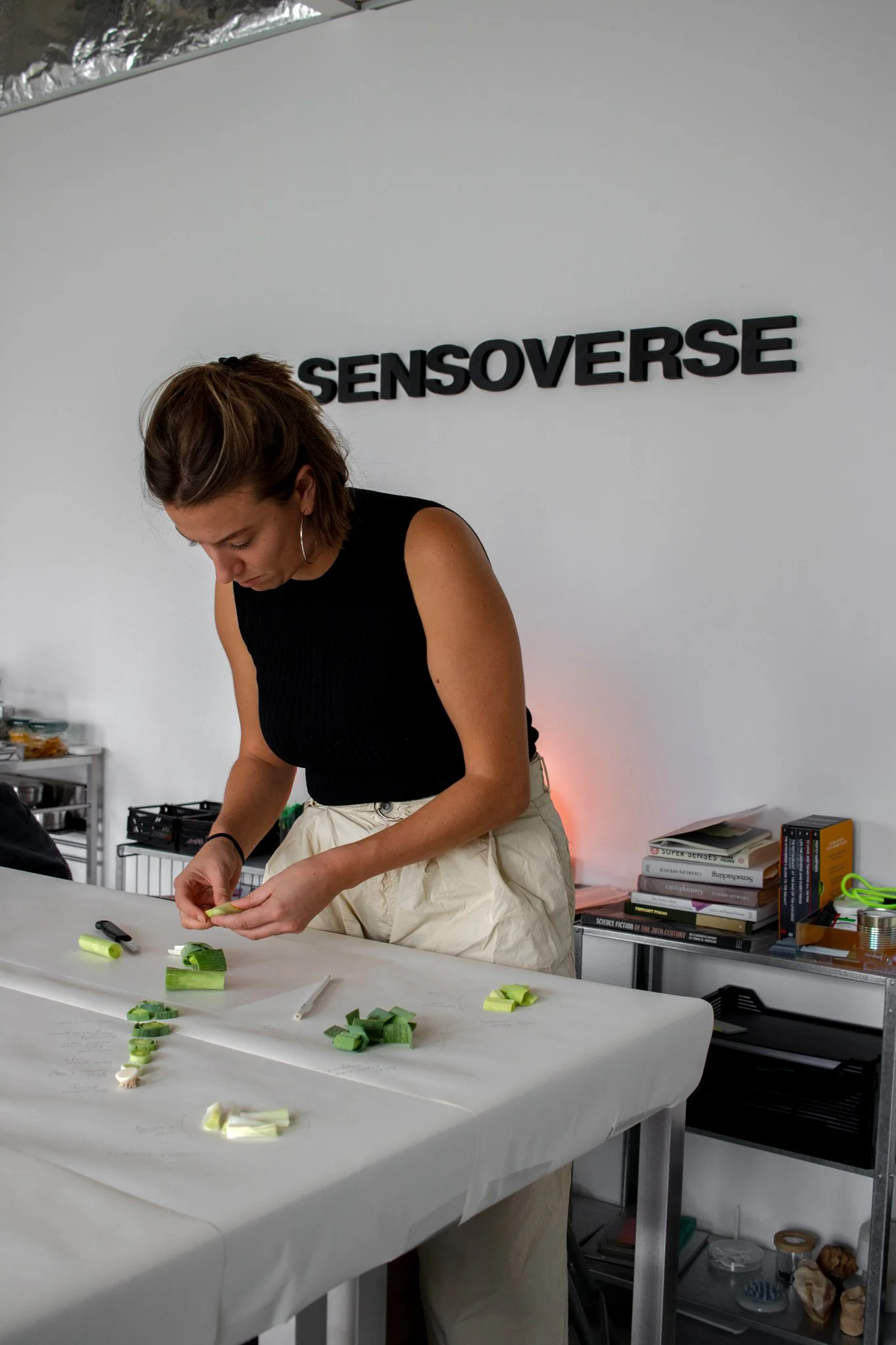
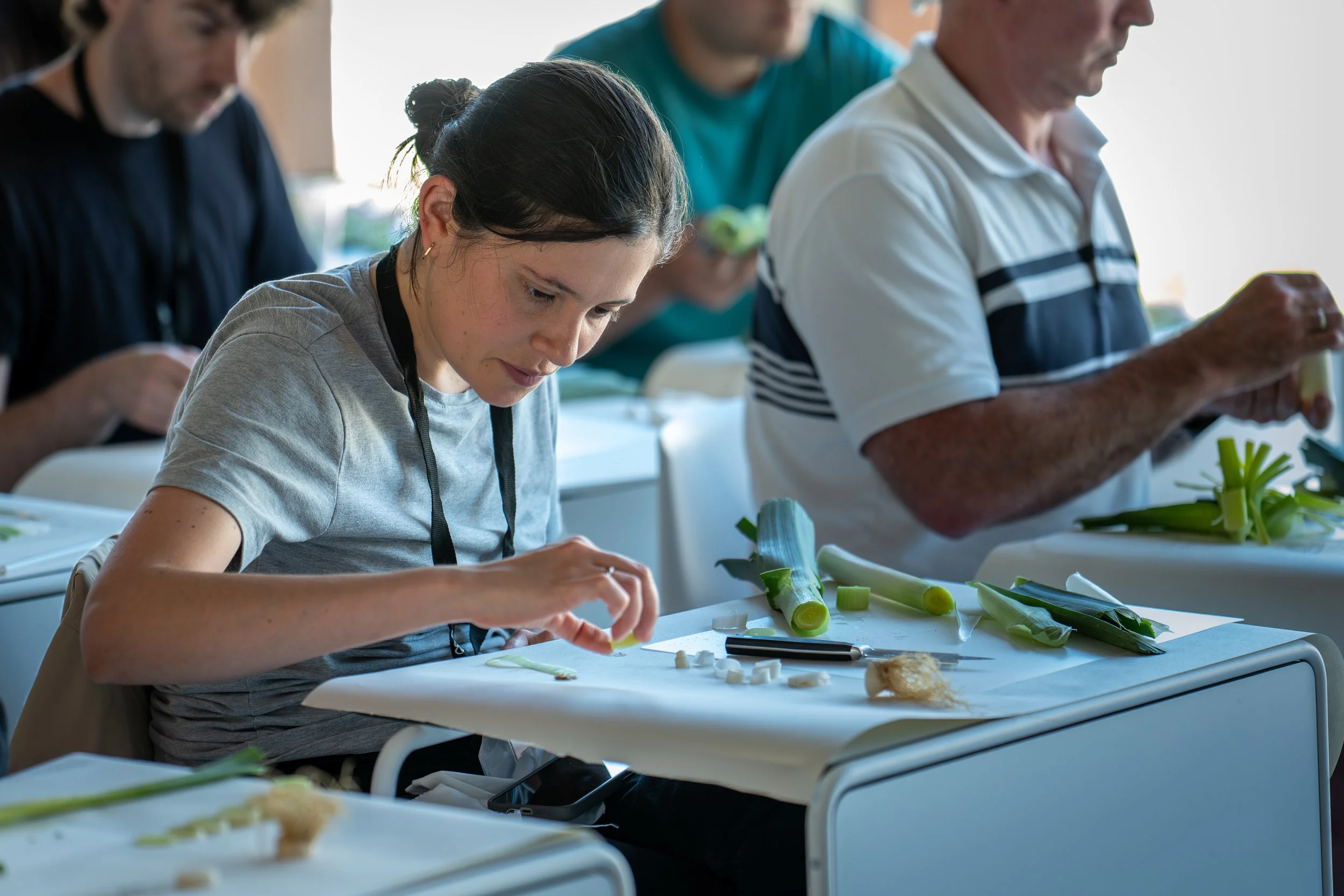
photo credits Basque Culinary Center
Who it's for
R&D, innovation, product, design, marketing and leadership teams. Anyone who is restless with the usual and refuses to believe that the way things are done is the way they have to be done.
No design background needed. Just a willingness to experiment. Teams of up to 14 people.
Bring a real topic, such as waste, a product line, or a strategic question, and we point the speculative lens at it. No topic? We bring themes that fit your field.
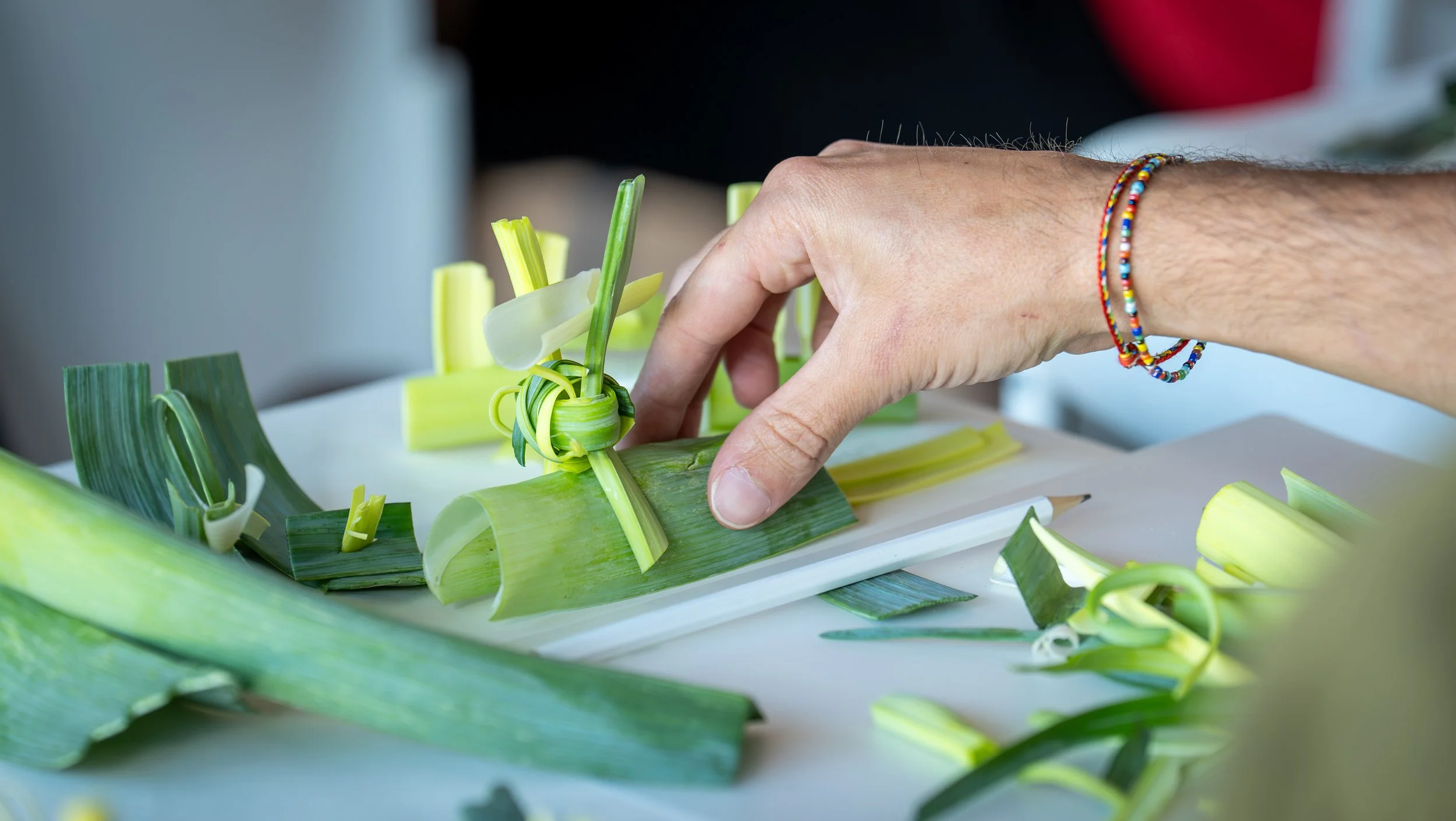
photo credits Basque Culinary Center
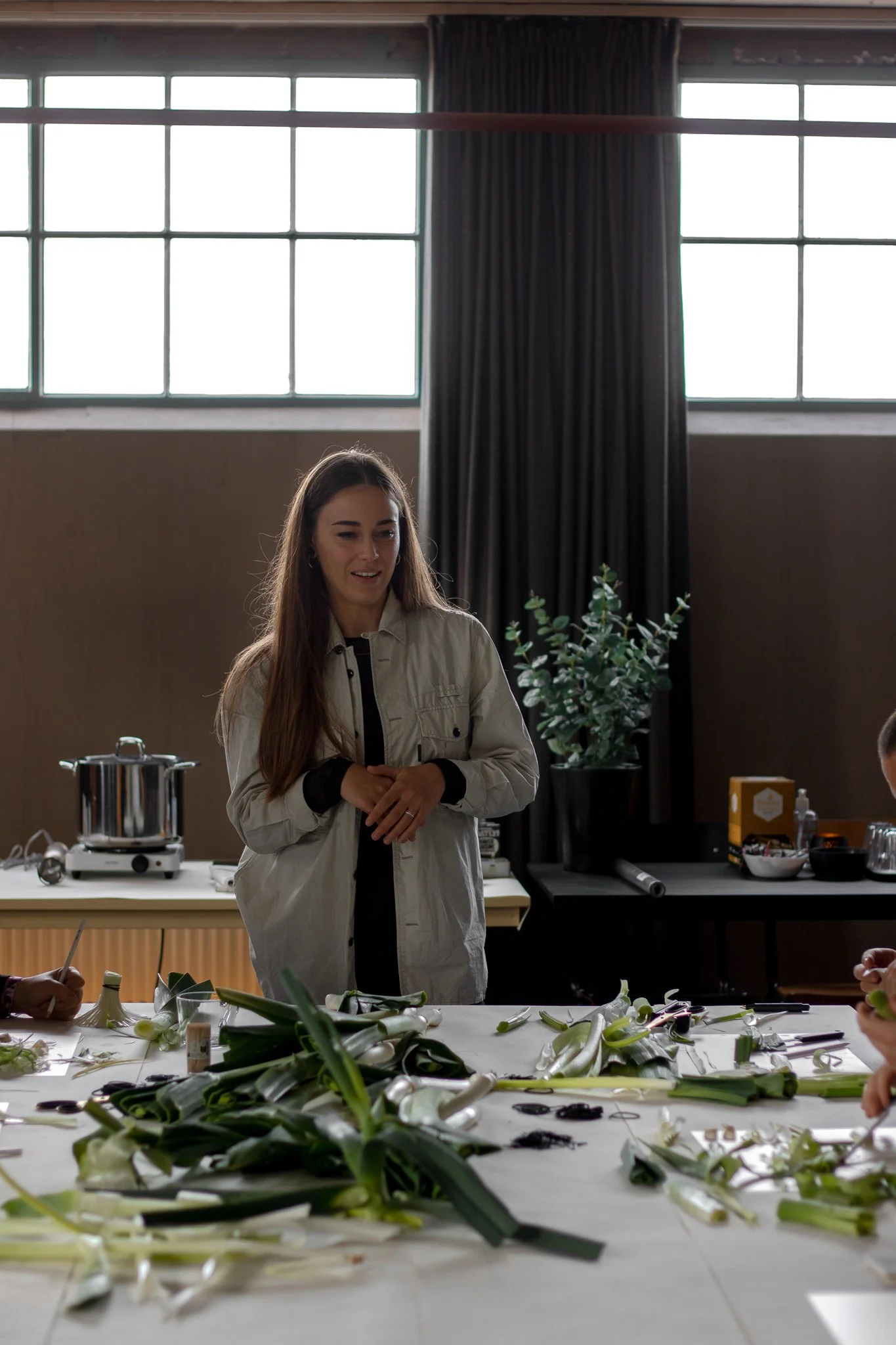
Your facilitator
Laila Snevele is a sensory food designer and founder of Sensoverse, a food design studio in Eindhoven. She studied at the Design Academy Eindhoven and specializes in speculative design and multisensory experiences. Her work has been recognized by dezeen, designboom and Instagram's @design channel. She gave a TEDx talk in 2023 and received the Core77 Runner-Up Award in Speculative Design.
Why I made this workshop. I found this method through my design education and years of working with speculative thinking. Again and again, the ideas that surprised me most didn't come from planning. They came from following something unexpected and seeing where it led. I made this workshop because that experience is too good not to share.